
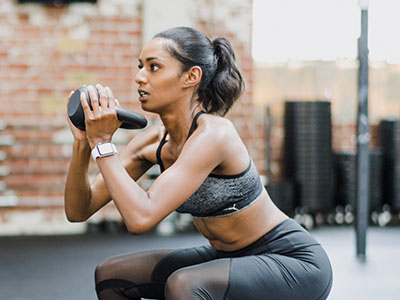
When it comes to prolapse, there’s a lot of outdated advice floating around — especially the idea that women should avoid lifting or strength training. This simply isn’t true. In fact, lifting weights and exercising can be protective for your pelvic floor and overall health — when done with proper technique and intra-abdominal pressure management.
What Is Prolapse?
Prolapse occurs when pelvic organs (like the bladder, uterus, or rectum) drop from their normal position due to weakness or stretching of the pelvic floor muscles. Many women assume prolapse only affects older or postpartum women, but women of all ages can experience prolapse.
Symptoms can vary: some women notice discomfort or pressure, while others may have minimal or no symptoms at all. Whether prolapse improves, worsens, or stays stable depends on several factors, including lifestyle choices, hormone levels, body mechanics, exercise habits, and how well you manage intra-abdominal pressure.
Lifting and Exercise: The Myths
One of the most common myths is that lifting heavy weights will worsen prolapse. This outdated advice has led many women to avoid exercise, which can actually make symptoms worse over time. The real culprit isn’t lifting — it’s poorly managed intra-abdominal pressure (IAP).
How Strength Training Can Help
When performed correctly, strength training can:
- Reduce prolapse symptoms by improving pelvic floor support
- Strengthen the pelvic floor, core, glutes, and postural muscles
- Improve confidence and functional strength in daily life
The key is learning to manage intra-abdominal pressure effectively while lifting or exercising. This allows your body to handle load safely, without increasing prolapse symptoms.
Prolapse Is Not a Sign of Weakness
It’s important to remember: your body isn’t broken — it’s adaptable. Avoiding activity isn’t protective — the right exercises and support are what truly make a difference.
- You don’t need restriction — you need the right support
- Strength is part of the solution, not the risk
With guidance, women with prolapse can safely perform resistance training, core exercises, and functional movements, which can actually improve symptoms and overall pelvic health.
Takeaway: Move With Confidence
Fear-based advice around prolapse is outdated. Lifting and exercise, when performed with proper technique and intra-abdominal pressure management, can protect and strengthen your body.
If you’re experiencing prolapse symptoms or want guidance on safe strength training, a pelvic health professional can provide an individualized plan to help you move confidently and safely.