
Pelvic floor physical therapy is often misunderstood—or overlooked entirely—yet it plays a crucial role in overall movement, core strength, and daily function. Many people assume pelvic floor PT is only for pregnancy or postpartum recovery, but in reality, it can benefit individuals of all ages, genders, and activity levels.
If you’ve ever wondered whether pelvic floor physical therapy might be right for you, this guide will help you understand what it is, who it’s for, and when it might be time to seek care.
What Is the Pelvic Floor?
The pelvic floor is a group of muscles that supports your organs, helps control bladder and bowel function, contributes to sexual health, and plays a major role in core stability and movement. Like any muscle group, it can become weak, tight, or poorly coordinated—leading to symptoms that are common, but not normal.
Signs You May Benefit from Pelvic Floor PT
Pelvic floor physical therapy can help if you experience:
- Leaking with coughing, sneezing, running, or lifting
- Urgency, frequency, or difficulty emptying your bladder or bowels
- Pelvic pain, pressure, or heaviness
- Pain with intercourse, tampon use, or exams
- Core weakness, diastasis recti, or low back/hip pain
- Difficulty returning to exercise after pregnancy, injury, or surgery
More Than Postpartum Care
While pelvic floor PT is valuable during pregnancy and postpartum recovery, it’s also beneficial for athletes, active adults, and anyone experiencing pelvic/low back/hip/abdominal pain, bowel/bladder dysfunction or looking for guidance on how to navigate barriers to movement.
What to Expect
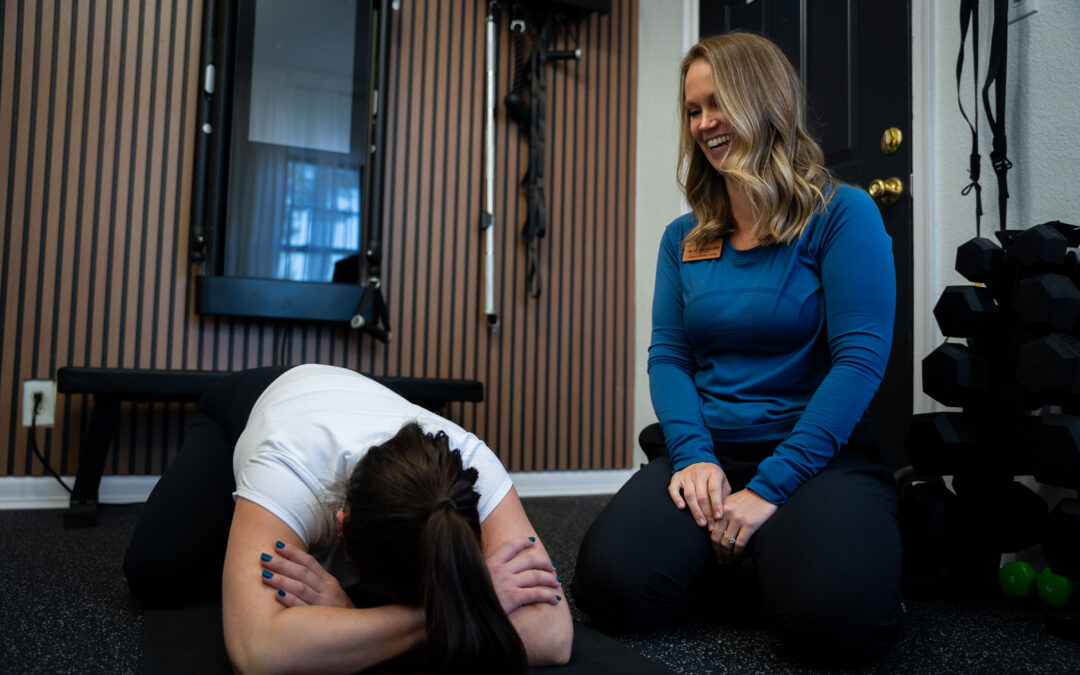
Your sessions are one-on-one and begin with a thorough discussion of your symptoms, goals, and activity level. We assess your movement, breathing, core, hips, and pelvic floor to identify the root cause of your symptoms. An internal pelvic exam may be offered for pelvic floor concerns, but only if you’re comfortable—it is never required.
When Should You Start?
Anytime. Pelvic floor PT can be helpful during pregnancy, as early as two weeks postpartum, or years later. You don’t have to wait until symptoms worsen to seek care. We tailor our intervention to meet you where you’re at.
The Bottom Line
If your symptoms are limiting your comfort, confidence, or ability to move well, pelvic floor physical therapy may be right for you. Our goal is to help you move, train, and live with confidence—without pain or limitations.