
The 6-Week Wait to Exercise Postpartum Is Outdated
For years, postpartum women — after both vaginal and C-section births — have been told to wait at least six weeks before exercising. While this recommendation was created to protect healing tissues, it no longer reflects what the research tells us about postpartum recovery.
Postpartum Bodies Are Not Fragile… They Are Resilient
The idea that postpartum women must avoid exercise to prevent injury has contributed to unnecessary fear around movement. Current evidence does not support this belief.
Research shows no evidence that appropriately guided exercise causes or worsens pelvic floor dysfunction.
Exercise does not damage the pelvic floor. It supports recovery.
What the Research Says Now
Updated postpartum exercise guidelines emphasize individual readiness, not a fixed timeline.
Rather than waiting for a specific number of weeks, return to exercise should be guided by:
- Symptom response
- Gradual, progressive loading
- Consultation with a pelvic floor physical therapist (PFPT) for personalized advice, especially in you have pelvic pain, incontinence or diastasis recti.
Exercise Supports Healing — Physically and Mentally
When appropriately guided, postpartum exercise is associated with:
- Improved pelvic and core function
- Improved energy levels
- Increased strength and confidence
- Significant improvements in postpartum mental health, including reduced anxiety and depression
Avoiding movement out of fear often does more harm than good.
All Movement Counts
There is no single “correct” postpartum exercise.
Strength training, walking, mobility work, running, yoga — all can be appropriate when guided by symptoms and modified as needed. It is also normal if movement doesn’t feel perfect right away.
The 2025 Canadian Guidelines recommend aiming for 120 minutes of moderate to vigorous physical activity weekly, split over four or more days, combining aerobic and strength training, plus daily pelvic floor exercises.
Rest and sleep remain essential parts of recovery, as well.
How Postpartum Physical Therapy Can Help
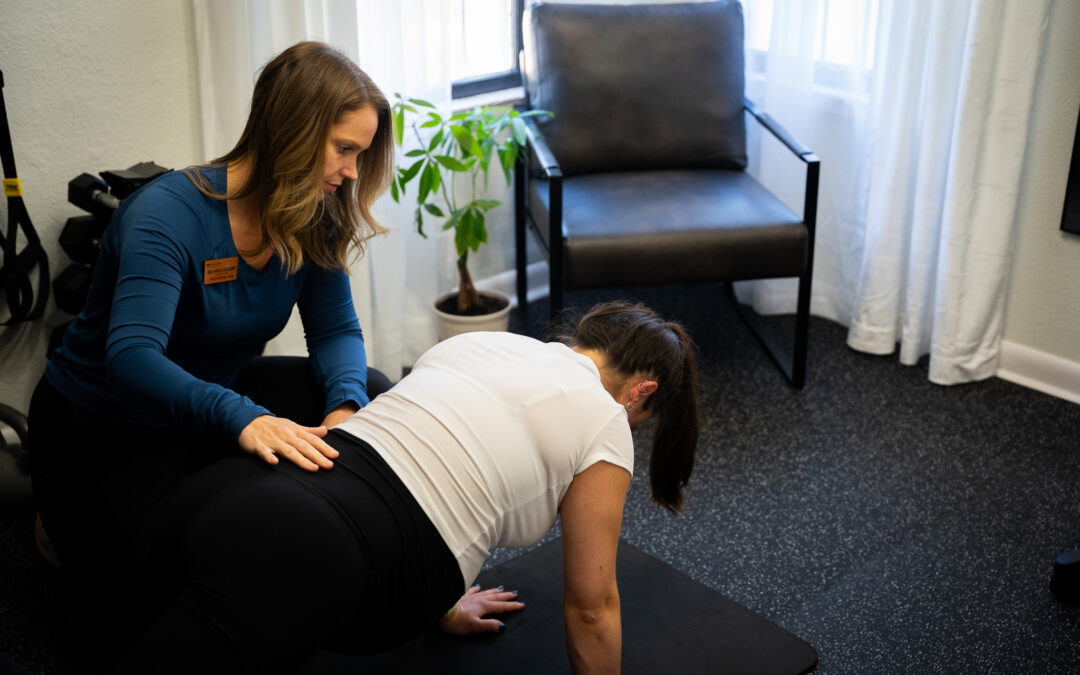
Postpartum physical therapy provides individualized guidance to help you return to movement with confidence — not guesswork.
A pelvic floor physical therapist (PFPT) can help you:
- Understand what your symptoms mean
- Safely progress exercise based on your body and goals
- Address pelvic floor dysfunction if present
- Return to daily activity, fitness, or sport without fear
Whether you’re eager to move or unsure where to start, guidance matters.
If you’re postpartum and want support returning to exercise safely, consider scheduling a postpartum assessment with us!
References
Canadian Society for Exercise Physiology.
Canadian Guideline for Physical Activity, Sedentary Behaviour and Sleep in the First Year Postpartum (2025).
Published in British Journal of Sports Medicine.